Trimming to Design Levels
We trim subgrades accurately to design levels and falls using laser and GPS equipment, providing a consistent base for basecourse, concrete slabs and pavements.

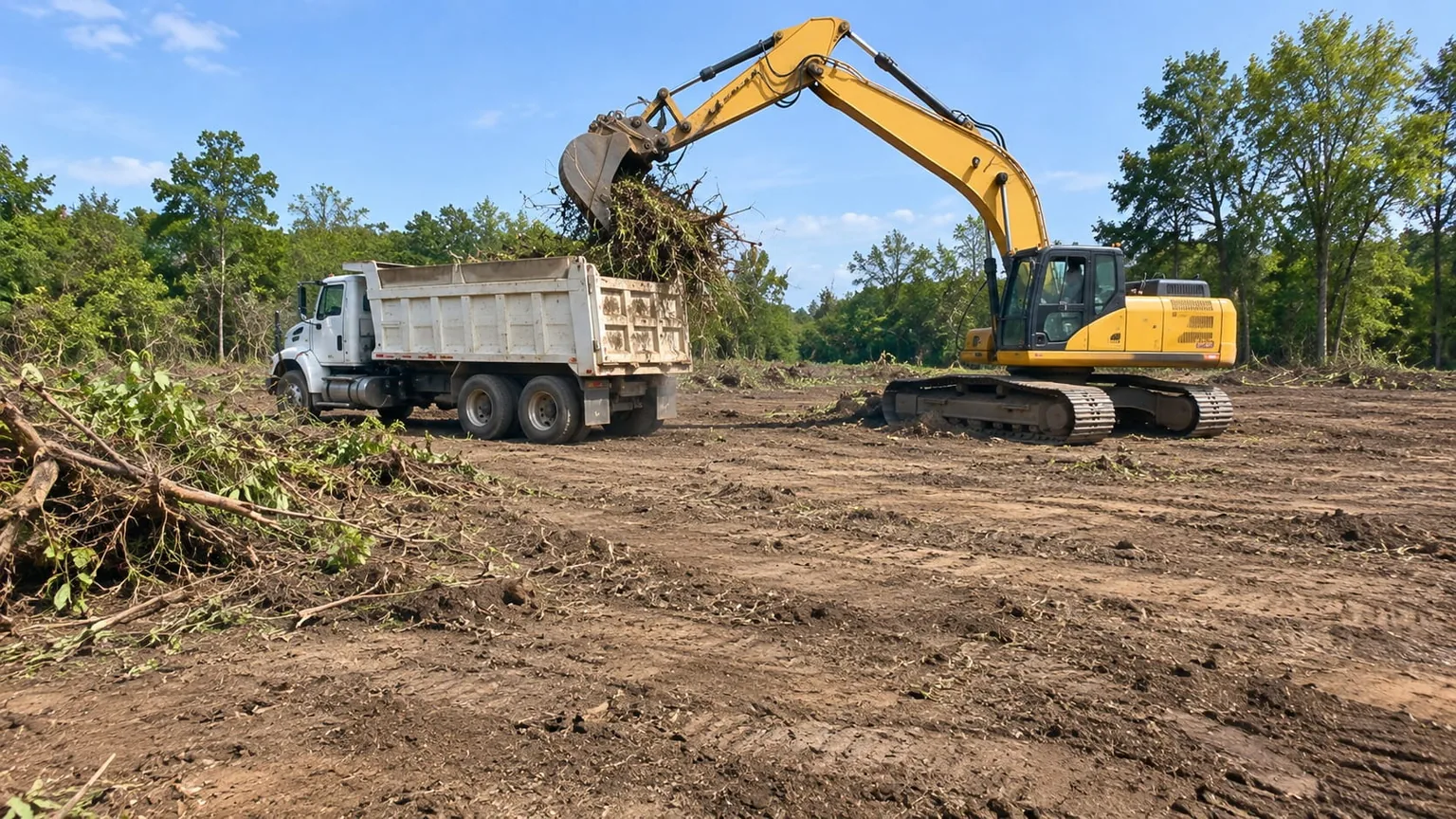
Subgrade preparation and compaction
Subgrade preparation and compaction that build a tested base for slabs, pavements and roads.
Clear scope. Clean result.
Subgrade preparation and compaction in Auckland ensures the ground beneath slabs, roads and hardstands can carry the loads placed on it. We trim, proof roll and compact subgrades to meet project specifications, correcting soft spots and unsuitable material as required. A properly prepared subgrade reduces settlement, cracking and long-term maintenance costs. We coordinate with engineers and testing providers to confirm results before the next stage proceeds. Speak to us about subgrade works for your next commercial or civil project.
We trim subgrades accurately to design levels and falls using laser and GPS equipment, providing a consistent base for basecourse, concrete slabs and pavements.
Heavy rollers and loaded trucks test the subgrade to reveal soft spots and weaknesses, allowing problem areas to be corrected before they cause pavement failure or settlement.
Unsuitable or weak material is excavated and replaced with compacted fill or stabilised, restoring subgrade strength and protecting the pavements and slabs built above.
We use appropriate rollers and compaction methods to achieve required densities, creating a firm, uniform platform that reduces settlement and long-term maintenance costs.
We coordinate compaction testing, CBR checks and engineer inspections, so results are documented and the subgrade is approved before the next construction stage begins.
Whether you are building warehouse floors, hardstands or roads, correct subgrade preparation gives your project a stable foundation that performs well under heavy loading.
What shapes the price
No two sites price the same. These are the factors that move a subgrade preparation and compaction quote most.
Soft or wet ground needs undercutting or stabilising before it will hold a load, so weak subgrades add material, plant time and extra labour.
The number of density tests the design calls for drives return visits and retesting, so a tighter testing schedule adds cost to the works.
Soil too wet or too dry must be dried back or watered to reach optimum, and conditioning the material adds plant hours and programme time.
Larger footprints and deeper build-ups take more passes of the roller and more imported material, so bigger subgrades cost more to prepare.
Capability in context
Pavements and slabs are only as good as the ground beneath them. Our Auckland team trims subgrades to design levels, proof rolls to reveal soft spots, and corrects weak areas before they cause settlement or failure. We compact to specification with suitable plant and coordinate density testing, CBR checks and engineer sign-off so results are documented before the next stage begins. This careful approach reduces long-term maintenance costs and protects your investment. Choose a contractor who treats subgrade as the foundation of performance, not an afterthought.
Scope clarity
This subgrade quote spells out the compaction work we deliver and which testing and design items sit separately.
Why choose us
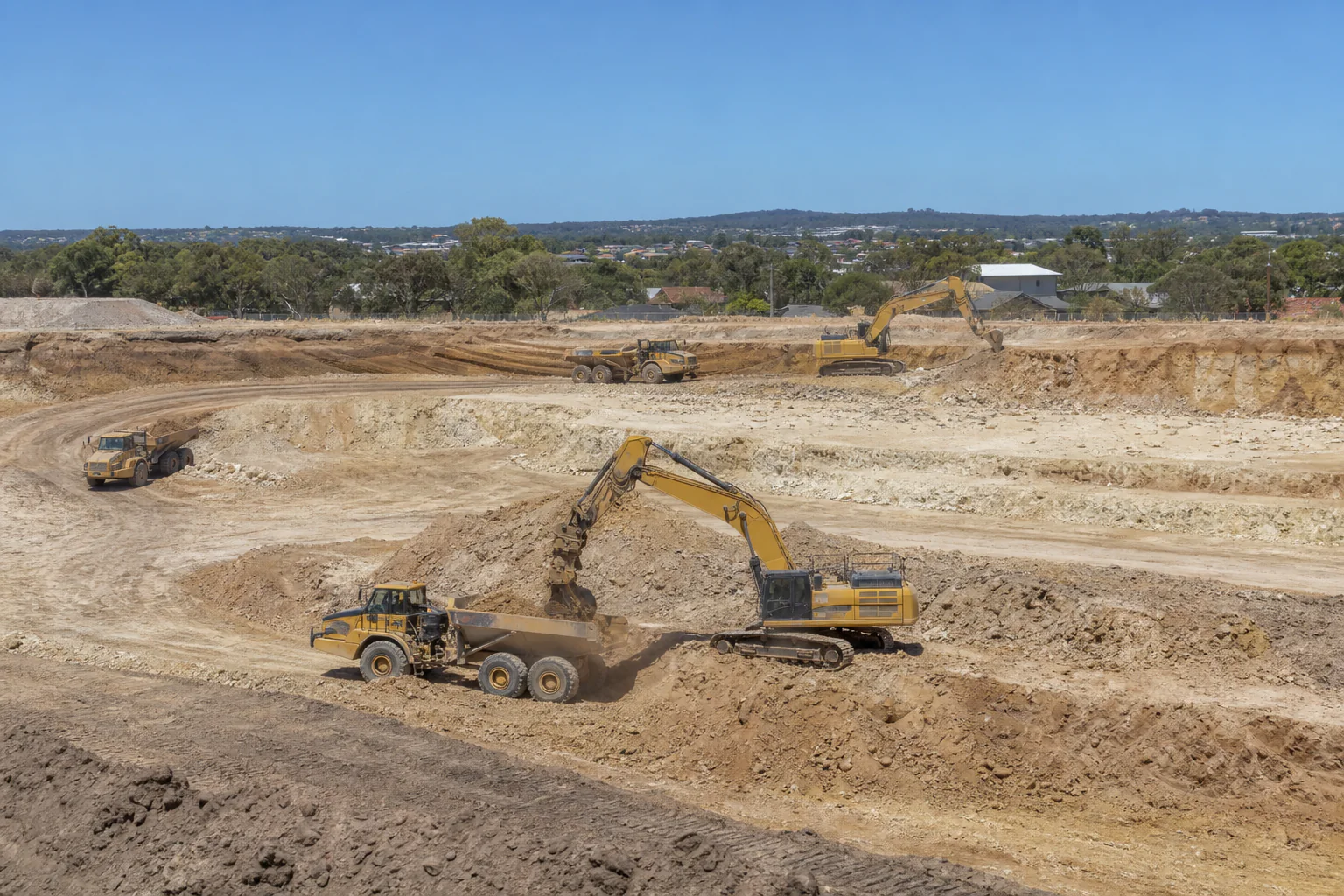
Subgrade preparation and compaction that build a tested base for slabs, pavements and roads. Choosing the right team for subgrade preparation and compaction comes down to detail: who sets the levels, who owns the finish, and who is actually on site when a decision needs making. We keep that in-house, so your subgrade preparation and compaction is run by the people doing the work rather than passed down a chain of subcontractors who have never seen the ground.
From the first site visit through to final handover we keep your subgrade preparation and compaction moving — plant matched to the access and volume, a written scope you can hold us to, and a crew that leaves the site clean and on levels. Typical work spans slab subgrade, pavement subgrade, compaction testing and proof rolling, and every job is priced on what is actually there, not a rounded guess made from an office desk.
Before machinery arrives
A little preparation makes subgrade preparation and compaction faster, safer and better value. Here is what helps most before our Auckland crew mobilises to site.
Let us know the access width, height limits and any gates or neighbours involved, so the plant for your subgrade preparation and compaction arrives able to get to the work.
Plans, levels and any service information let us set the subgrade preparation and compaction out accurately and dig or pour clear of what is already underground.
Decide early whether spoil from the subgrade preparation and compaction stays on site, is spread, or is carted away — it changes both the method and the price.
Tell us about timing, trading hours, soft ground or anything else that affects the subgrade preparation and compaction, and we build it into the programme up front.
Frequently Asked Questions
We service the Auckland metropolitan area and can assess regional or rural projects by arrangement. Add your location to the quote request and we will confirm availability.
That depends on the scope, access and information available. Straightforward work may be assessed from plans and photographs, while complex sites usually benefit from an inspection.
Requirements vary by council, property and project scope. Confirm the applicable building and resource consents before work begins; we can help identify questions to raise with the relevant authority.
The service range covers residential, rural, commercial and civil work. Final suitability depends on access, programme, plant requirements and the confirmed project scope.