Sealed Pond Base
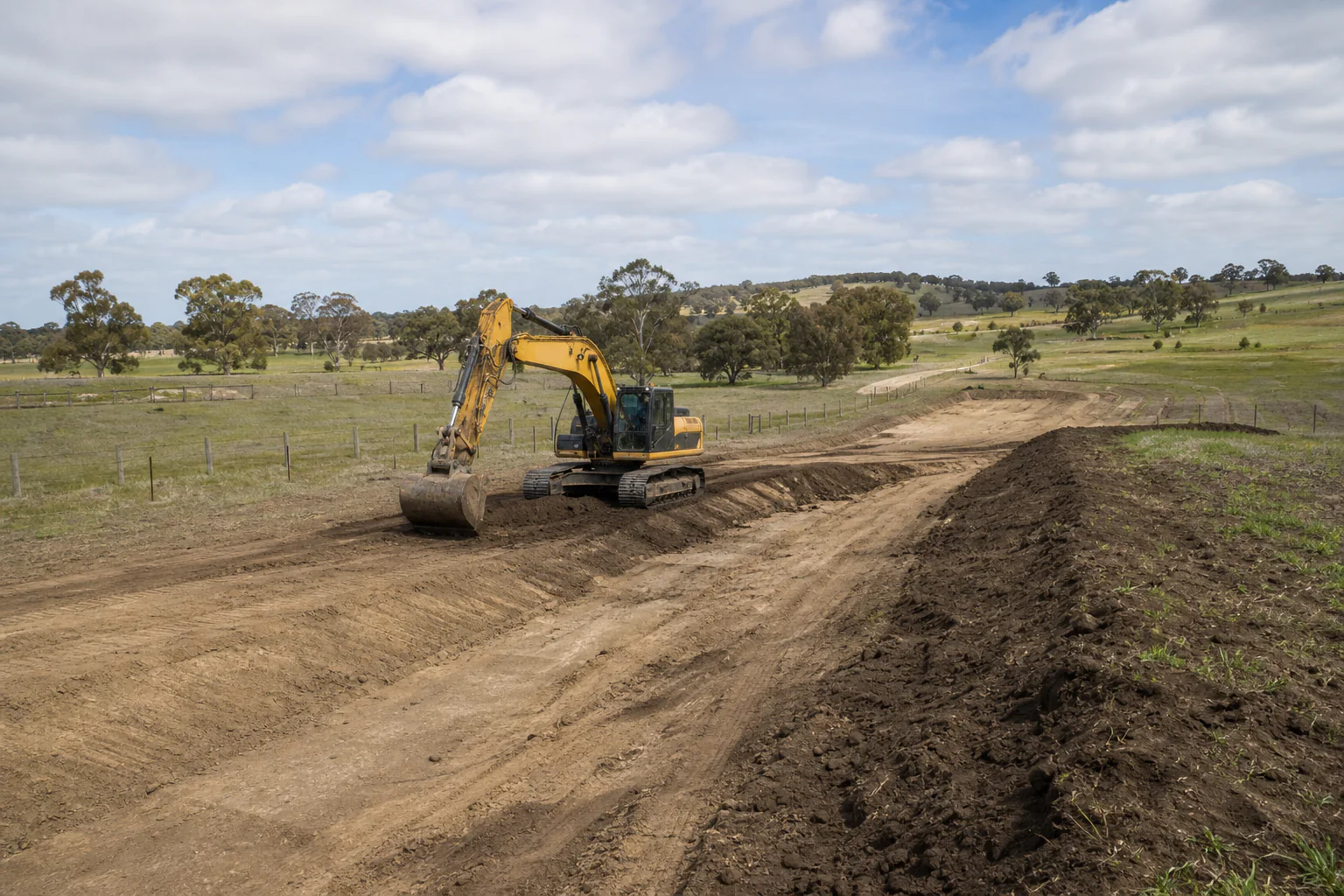
We shape and compact a low-permeability clay or lined base so stored effluent is contained securely and seepage into the surrounding ground is kept to a minimum.

Effluent ponds and feed pads
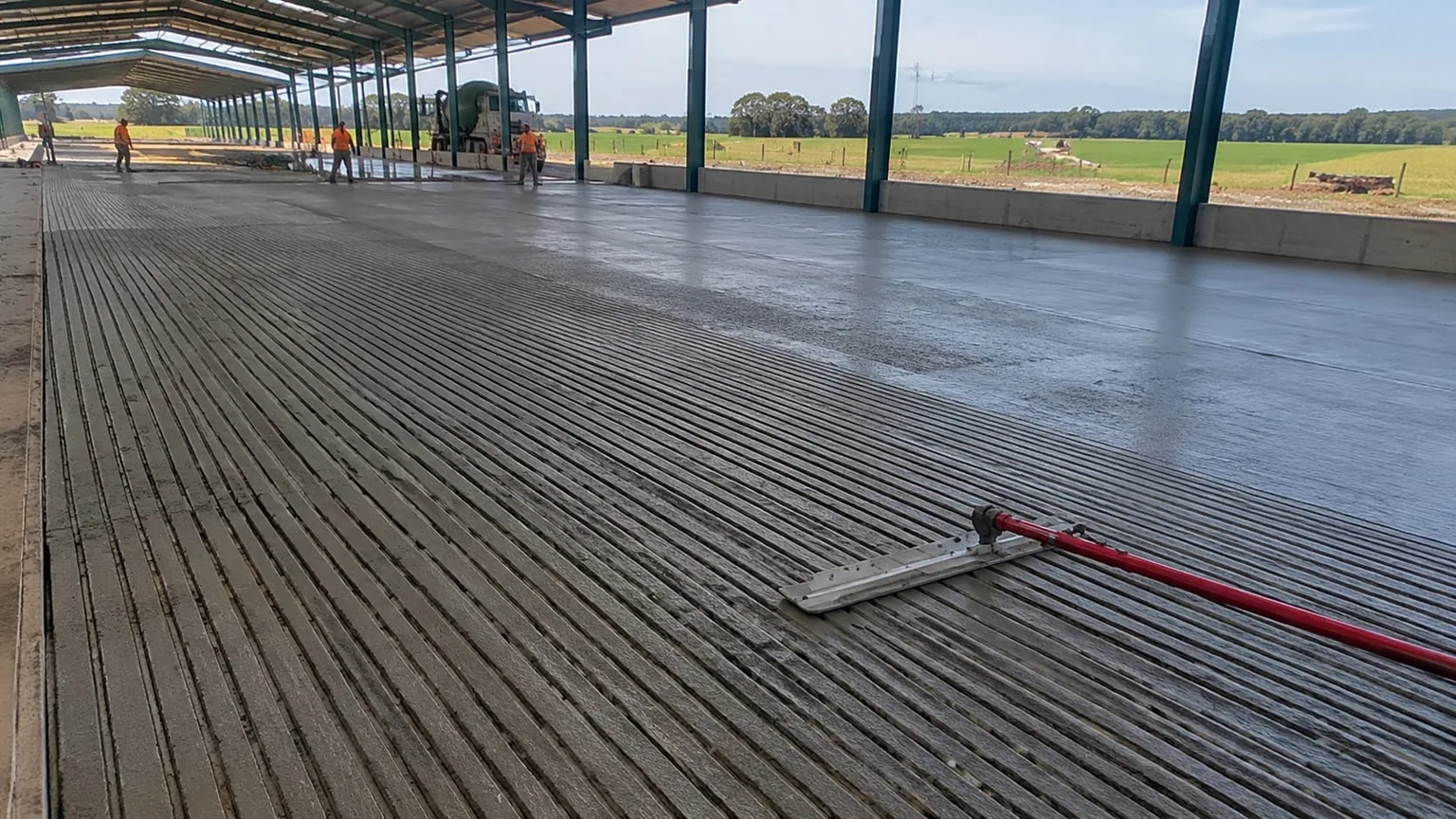
Effluent ponds and concrete feed pads formed for containment, drainage and daily stock use.
Clear scope. Clean result.
Effluent ponds and feed pads in Auckland support responsible farm management by containing and directing waste and runoff. We construct lined ponds, concrete feed pads and associated drainage to meet design and compliance requirements. Careful earthworks, lining and concrete work ensure long-term performance and environmental protection. We coordinate with engineers and regulators so your system meets consent conditions. Contact us to discuss your effluent or feed pad project.
We shape and compact a low-permeability clay or lined base so stored effluent is contained securely and seepage into the surrounding ground is kept to a minimum.
Pond batters are cut to stable, maintainable angles and protected against erosion so the walls hold their shape through repeated filling and emptying cycles.
The feed pad is finished with a slip-resistant texture that is firm underfoot for cows yet smooth enough to scrape clean quickly after each feeding.
Graded channels collect dung and liquid from the feed pad and carry it to the pond, keeping the standing area workable and cutting down hosing and labour.
We divert clean roof and yard water away from the effluent system so your storage fills only with what it must, stretching capacity through long wet spells.
Every level, volume and lining detail is set out with regional effluent rules in mind so your system performs through audits and seasonal peaks alike.
What shapes the price
No two sites price the same. These are the factors that move an effluent ponds and feed pads quote most.
Storage sized for herd numbers and wet-weather holding sets the volume to excavate, so a bigger pond means more digging, spoil and shaping time.
Sealing against seepage with clay or a synthetic liner is a major driver, and the containment standard you need decides how much lining goes in.
The number of cows fed sets the pad footprint, so a larger feeding area means more concrete, grooving and effluent fall built into the slab.
Forming pond banks and compacting a stable bund takes machine hours, and the height and batter of the walls governs how much earth is moved.
Capability in context
Effluent infrastructure protects your land, your waterways and your consent. Our Auckland crews excavate, shape and line effluent ponds to design specifications, build concrete feed pads that reduce pugging and feed waste, and install collection channels and sumps with correct falls. Safety features such as fencing, ramps and freeboard are built in. We construct to engineer designs and regional council conditions, coordinating inspections and documentation along the way. If you want rural infrastructure that performs reliably across many seasons, talk to us about your effluent or feed pad project.
Scope clarity
This quote is clear on the earth pond shaping and feed pad concrete we deliver, with lining checks and discharge matters settled separately.
Why choose us
Effluent ponds and concrete feed pads formed for containment, drainage and daily stock use. Choosing the right team for effluent ponds and feed pads comes down to detail: who sets the levels, who owns the finish, and who is actually on site when a decision needs making. We keep that in-house, so your effluent ponds and feed pads is run by the people doing the work rather than passed down a chain of subcontractors who have never seen the ground.
From the first site visit through to final handover we keep your effluent ponds and feed pads moving — plant matched to the access and volume, a written scope you can hold us to, and a crew that leaves the site clean and on levels. Typical work spans effluent ponds, feed pads, standoff pads and drainage sumps, and every job is priced on what is actually there, not a rounded guess made from an office desk.
Before machinery arrives
A little preparation makes effluent ponds and feed pads faster, safer and better value. Here is what helps most before our Auckland crew mobilises to site.
Let us know the access width, height limits and any gates or neighbours involved, so the plant for your effluent ponds and feed pads arrives able to get to the work.
Plans, levels and any service information let us set the effluent ponds and feed pads out accurately and dig or pour clear of what is already underground.
Decide early whether spoil from the effluent ponds and feed pads stays on site, is spread, or is carted away — it changes both the method and the price.
Tell us about timing, trading hours, soft ground or anything else that affects the effluent ponds and feed pads, and we build it into the programme up front.
Frequently Asked Questions
We service the Auckland metropolitan area and can assess regional or rural projects by arrangement. Add your location to the quote request and we will confirm availability.
That depends on the scope, access and information available. Straightforward work may be assessed from plans and photographs, while complex sites usually benefit from an inspection.
Requirements vary by council, property and project scope. Confirm the applicable building and resource consents before work begins; we can help identify questions to raise with the relevant authority.
The service range covers residential, rural, commercial and civil work. Final suitability depends on access, programme, plant requirements and the confirmed project scope.